


Estimated reading time: 11 minutes
*Disclosure: This article links to resources that may include affiliate links. I may earn a small commission at no extra cost to you if you make a purchase. These commissions help support the time and research that goes into this blog.
Living frugally means spending wisely and choosing quality that lasts. And I love that! It helps me spend intentionally and really pay attention to what I’m actually buying, how often, where, which brands, and so much more.
It helps me avoid buying crap that’s just going to break or wear out quickly, which will cost me even more money when I have to fix or replace it. No one needs that. I’ve found that it’s better to spend a little more and get something that’s durable. Something that will last longer, not wear out sooner. And, more importantly, something that actually does what the brand claims it will do.
Some people think living frugally means giving things up…like all the pleasures in life. I used to believe that too, until I realized it’s really about getting more value out of every dollar you spend. You can still love your home, your coffee, and your creature comforts. And, yes, you can even still have a little (and maybe a big) occasional luxury in life, so long as you plan for them. The secret is swapping out what drains your wallet for choices that actually last and work.
In this article, I’m going to share with you some of the things that I’ve discovered, tried, and truly love.
Key Takeaways
- Living frugally is about spending wisely and choosing durable items that offer value.
- Cheap purchases can lead to higher costs over time due to frequent replacements; quality matters.
- Smart swaps in the kitchen, like using reusable containers and natural cleaners, save money and reduce waste.
- Frugal decor swaps can enhance your living space with creativity and intention, avoiding a bare look.
- Energy-efficient upgrades and small daily habits can lead to significant savings on utilities.
Table of contents
Why cheap purchases kept costing me more
Cheap stuff costs more than you think, and I went looking for proof. I’m a numbers gal, and real research helps me understand the why behind the choices I make. When the data backs it up, I feel better sticking with the decision.
StudyFinds publishes research that reads more like a story, but still delivers hard facts. One of their reports caught my attention. According to their findings, three in five consumers (63%) say they’re willing to pay more for higher-quality items because they last longer. Durability and longevity matter. I learned that lesson early, when my girls were younger.
Every school year, I bought the $10 backpacks. And every school year, I bought them again. Straps snapped. Zippers failed. Fabric ripped.
One year, I replaced Isabell’s backpack half a dozen times before December even arrived. Do the math. Something wasn’t adding up, and it wasn’t my budget. It was the quality.
That year, I made a different choice. I bought backpacks from L.L. Bean for both my girls. They cost around $65 to $70 each, which felt like a big leap at the time. But I never had to buy another backpack. Those bags carried them through elementary school, middle school, high school, and even part of college.
That experience changed how I spend. Smart swaps stretch your dollars and reduce repeat purchases. Buying intentionally means fewer replacements and less frustration cluttering your home.
I had a similar shift with cookware. When I decided to invest a little more, I chose cast iron. My favorite skillet is a Lodge pan I rescued from someone’s trash pile more than 25 years ago. It still works beautifully. I owned two, but when my oldest moved out, I gave her one. I wanted her to start with something dependable from day.
Where my kitchen saves money
The kitchen is a great place to start. Every meal, spill, and snack adds up fast when you rely on disposable stuff. And we certainly don’t need more plastic (PFAS) in the environment. I found some great simple swaps that save money and make cleanup easier. Yes, they’re affordable.
Here’s what I recommend:
- Beeswax food wraps instead of plastic wrap
- Glass containers with silicone lids instead of single-use containers
- Cloth napkins or reusable towels over paper towels
- Refillable soap dispensers over disposable bottles
If you’re new to frugal living, I recommend easing into it. Don’t try to swap everything at once. Instead, choose one or two home swaps first. You can always add more later. I started with refillable foam soap dispensers from Grove Company.
The dispensers are glass, but they come wrapped in a silicone sleeve for protection. And the sleeve marks where you need to fill it, if you’re using the concentrated foam soap refills, like I am. One little bottle of concentrate, and the rest is water. Less waste. But you can also choose the ready-to-go foam soap refill, too, if you like. Or DIY it.
I remember when I first tried swapping out some plastic meal prep and storage containers for the glass silicone variety. It felt strange at first, but now I can’t imagine going back. It’s one small change that adds up over time. Smart repetition is a big part of living frugally. Do it once, reap the rewards every month. Once I finish swapping out my food containers (it’s still a work in progress), I’m eyeing the gallon bags next.

Cleaning Swaps That Cut Costs and Toxins
Most of us spend more than we realize keeping things fresh. I know this firsthand. I once went to Walmart for and small handful of cleaning supplies and was shocked when my basket rang up to nearly $50 at checkout. And, honestly, it’s not surprising, either. A recent report from Global Market Insights shows that U.S. households spend about $170 a year on cleaning supplies. At the same time, Canadian families spend an average $200 a year. That’s a lot of cash for keeping things shiny and fresh! Good grief!
Most of that money goes straight to bathroom cleaners, too. You know, the one room that constantly demands attention (especially if you’re a mom of one or more boys). Yeah. We won’t get into those messes. But keeping things clean is vital and there’s always something new out on the market that does X, Y, and Z.
Companies keep cranking out new gadgets and miracle formulas faster than our wallets can keep up. But, in reality, we don’t need half of them. Honestly, a few good basics get the job done for much of the work. So how do you know what to buy and what to pass on?
Here’s what I do:
- I stick with cleaners that handle more than one job.
- I skip single-purpose sprays that clutter my shelves.
- I stop buying new products just because they promise miracles.
- I rely on a few basics that actually last.
- I save the most when I keep things simple.
- I use DIY, natural cleaners when it makes sense.
Want to try a few easy cleaning swaps? I rounded up my favorite budget-friendly products in this Benable list. And I’ve tested each one to ensure it actually holds up to real-life messes.
Natural Cleaners That Actually Work
I keep my cleaning routine simple on purpose. Baking soda, vinegar, and castile soap handle almost everything in my house, and they do it without the sticker shock or the harsh chemical smell. I don’t chase new products anymore. Instead, I reach for these basics because they work, they last, and I already have them on hand.
I keep this part easy. These are the quick mixes I use most, along with where they actually work in my home.
Baking Soda
I use baking soda when I need gentle grit without scratching.
Quick mix:
- Sprinkle directly on the surface, or
- Mix with a little water to form a paste
- Or use a ready made baking soda cream cleaner (I like Meyer’s brand)
Where I use it:
- Sinks and tubs
- Stovetops and counters
- Inside the fridge to tackle odors
- Garbage cans and trash lids
- Pots and pans
- I even add a little to my dish water to give it an extra boost
White Vinegar
Vinegar’s my go-to for cutting through buildup and shine-killing residue.
Quick mix:
- 1 part vinegar
- 1 part water
Where I use it:
- Bathroom surfaces
- Glass and mirrors
- Faucets and fixtures
- Coffee makers and kettles for descaling
I don’t use vinegar on natural stone like granite or marble, though. As a bonus, you can use paper coffee filters for wiping glass and mirrors. It does the job well and is a cheaper alternative to paper towels. Or just use a good microfiber cloth.
Castile soap
Castile soap handles the everyday messes that need a little more muscle.
Quick mix:
1–2 teaspoons castile soap (I love Dr. Bronner’s)
2 cups warm water
Where I use it:
Kitchen counters
Floors
Greasy stovetops
Spot cleaning walls and baseboards
Laundry soap alternative in a pinch (Honestly, there are far more ways to use it, too!)
I like knowing exactly what I’m using, and I like that these cleaners pull their weight without draining my budget. Keeping just a few basics on hand saves me money every month and keeps my shelves from turning into a cluttered chemistry experiment.
Reusable Over Disposable
Microfiber cloths and washable mop pads replace endless paper products, and you can often find some of these at the local dollar or discount store. They also look nicer stored in a basket than a half-empty pack or container of wipes. Living frugally is about building habits that simplify, not doing more work than is necessary.
Subscription Refills That Pay Off
I’ve also had good luck with concentrated and tablet-based cleaners. Some of my personal favorites are from the Grove Company or Meyers, both of which, I buy on the Grove website. They take up less space, create less waste, and last far longer than ready-to-use sprays. One bottle or pack can stretch for months instead of disappearing after a few weeks, which makes a real difference in my cleaning budget.
Frugal Decor Swaps That Still Look Luxe
I used to think decorating on a budget and organizing on a budget meant empty shelves and bare walls and a few dollar store bins in unfortunate colors. Turns out, creativity stretches dollars farther than any coupon. And the right organizational tools make a huge difference. I’m still in the process of swapping out all those chintzy organizational tools for better quality tools and bins that look nice, make sense, and actually fit the task and space. My go-to shop for this is The Container Store. Yes, it costs more, but you can find precisely what you need, and you don’t need to buy everything all at once. Swap out one thing at a time.
As for decor… try these simple home updates:
- Thrift store art with DIY frames
- Get crafty or artsy and create something beautiful yourself
- Repaint or refinish furniture you already own
- Mix textures like wood, linen, and woven baskets
When you decorate and organize with intention, your space feels warm and personal and tidy, not cheap or chaos-loading. Find beauty in what’s already around you. I still remember the first time I painted an old dresser instead of buying a new one. That change cost me ten dollars, but it made the room feel brand new.
Energy and Utility Swaps for Long-Term Savings
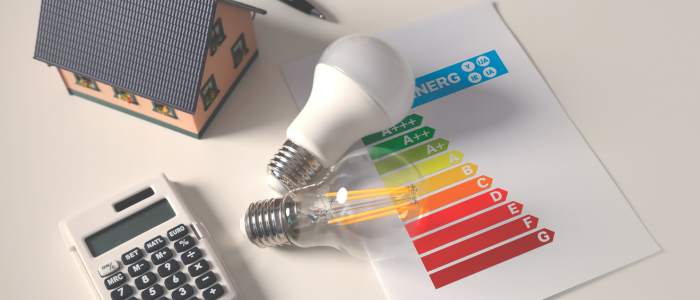
Energy-efficient bulbs, smart plugs, and low-flow showerheads seem small, but the savings add up. In fact, you’ll save about 75% less energy by switching to LED bulbs, according to the U.S. Department of Energy.
Simple habits like unplugging devices, sealing drafts, and air-drying clothes help you save on electricity and keep more money in your pocket. You’ll notice those quiet money leaks hiding in plain sight at home.
Small Swaps, Big Results
Each swap is a small win. A reusable bottle replaces hundreds of plastic ones, and can look luxe, too. Check out my favorite reusable water bottle recommendations on Benable.
Cloth napkins save a roll of paper towels, but they’re everyone’s “thing.” I’m still using paper towels for now, but this is one more thing I hope to change in the future. Over time, these choices build a calmer and more intentional lifestyle. Frugal living becomes second nature once you see the savings add up in real time.
What to Read Next
Stay Inspired With Frugal Living Tips That Work
A frugal home isn’t dull or stripped down. It’s thoughtful and cozy. And it’s filled with things you actually use and love. Living this way helped me stop chasing “more” and start enjoying what’s already here — the calm, the comfort, the small wins that add up over time.
If ideas like this make frugal living feel lighter and more doable, you’ll feel right at home at Frugal Hen. Subscribe for weekly inspiration, practical home tips, and simple ways to live better without spending more than you need to.
Image Credit: © irynakhabliuk via Canva.com | © Proxima Studio via Canva.com



Leave a Reply